
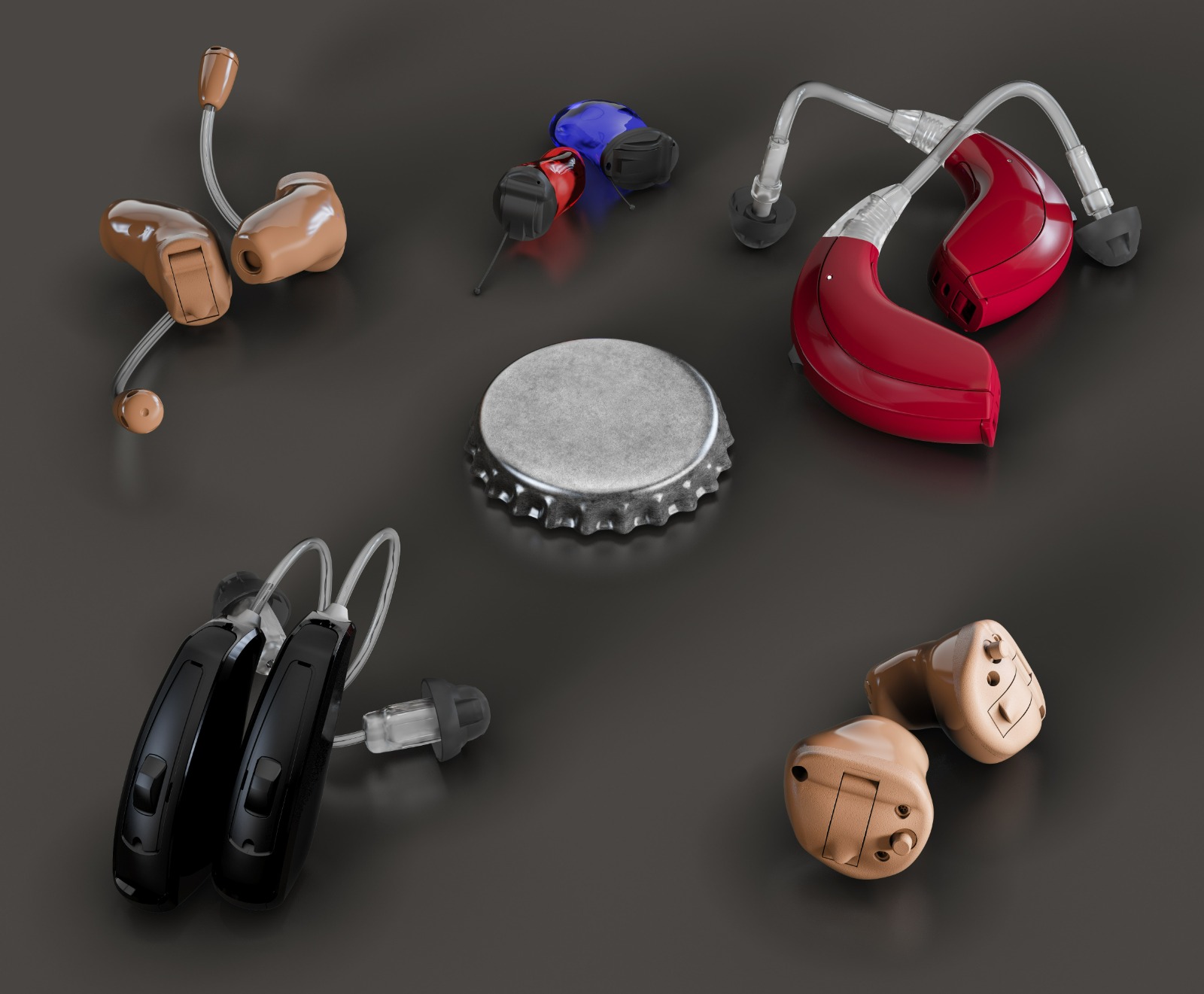
Modern hearing aids are small, advanced, and highly adaptable. Some use digital processing and AI-powered features to improve speech clarity, reduce background noise, and support easier communication. Still, choosing the right device begins with a professional hearing assessment, not a product list.
Start With a Diagnostic Hearing Assessment
A hearing aid should be selected based on your hearing profile. Your audiologist needs to understand the degree and pattern of hearing loss, your speech understanding, your ear health, and the listening environments that matter most to you.
Think About Daily Listening Needs
A person who spends most of the day in meetings may need different features from someone who mainly wants better family conversations at home. Useful considerations include background noise, phone calls, group conversations, music, comfort, battery type, connectivity, and ease of handling.
Fitting and Programming Matter
Even a premium hearing aid must be fitted and programmed correctly. Professional fitting helps match the device to your hearing test results and listening goals. Follow-up appointments allow adjustments as your brain adapts to clearer sound.
Long-Term Support Is Part of the Device
Successful hearing aid use often depends on rehabilitation, cleaning, maintenance, troubleshooting, and planned follow-up care. At INCUSEAR, patients receive guidance on daily use, realistic expectations, device care, and ongoing support.
INCUSEAR provides affordable premium hearing aids, fitting, programming, and hearing aid support in clinic and through home visits where appropriate.